A380 terminated at 14 as B747 turns 50
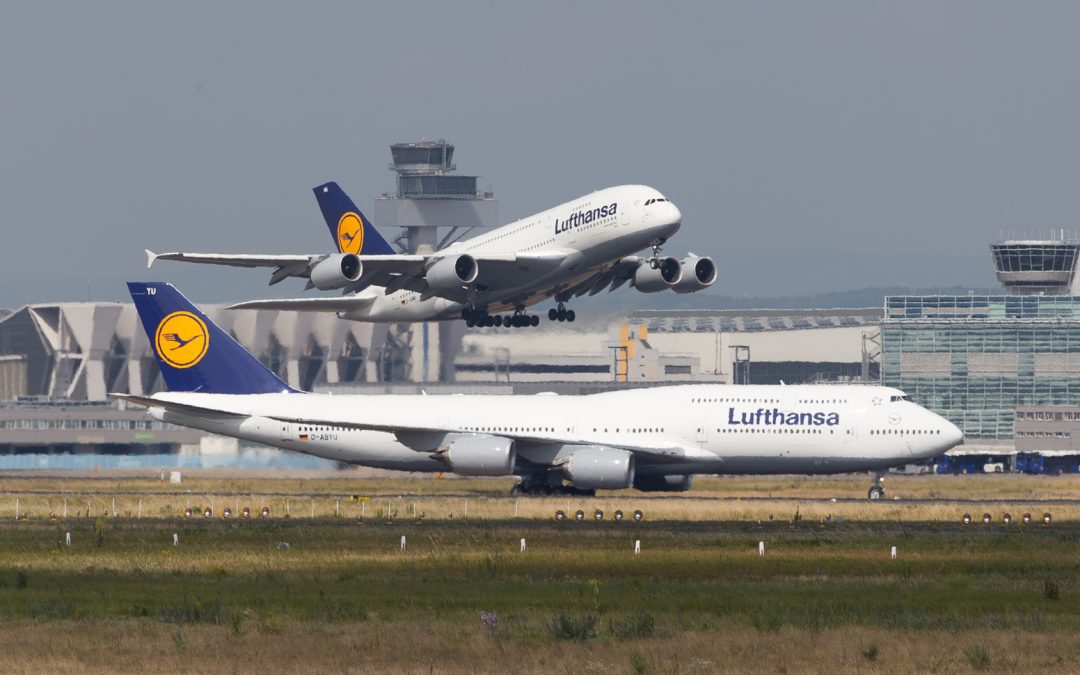
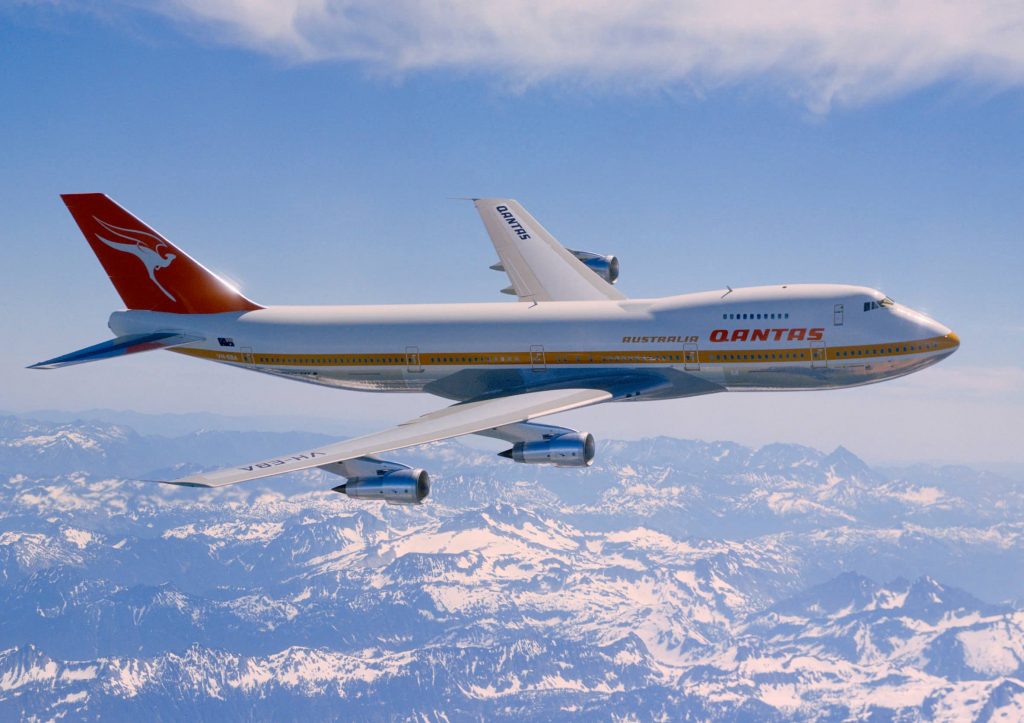
Boeing ushered in the age of the wide-body airliner 50 years ago on February 9, 1969 as its first 747, RA001, departed Runway 16R at Snohomish County Paine Field in Washington at 11:34 AM. Certification and commercial service quickly highlighted issues that required mitigation including revised rib structures to withstand stress, 30-ply tires for hot, high-altitude take-offs and landings and thicker wing skins The revised model, dubbed the 747-200, debuted with Australia’s own Qantas Airways and became the most popular model across the board until the arrival of the 747-400 in 1989. The latest model, the 747-8I, entered commercial service in 2012 and has achieved greater success as a freighter. Lufthansa, Korean Air and Air China have been the only airlines to order and take delivery of the 8I version, the rest of the passenger model orders being made by the USAF, private businesses and foreign governments. A significant increase of 9% in freight demand pressed UPS Airlines to purchase a further 14 747-8F models on February 1, 2018, the 30th anniversary of their founding. The production life of the B748 now hinges upon the remaining 24 orders unless air freight carriers decide to upgrade their B747-400 models or expand their fleet.
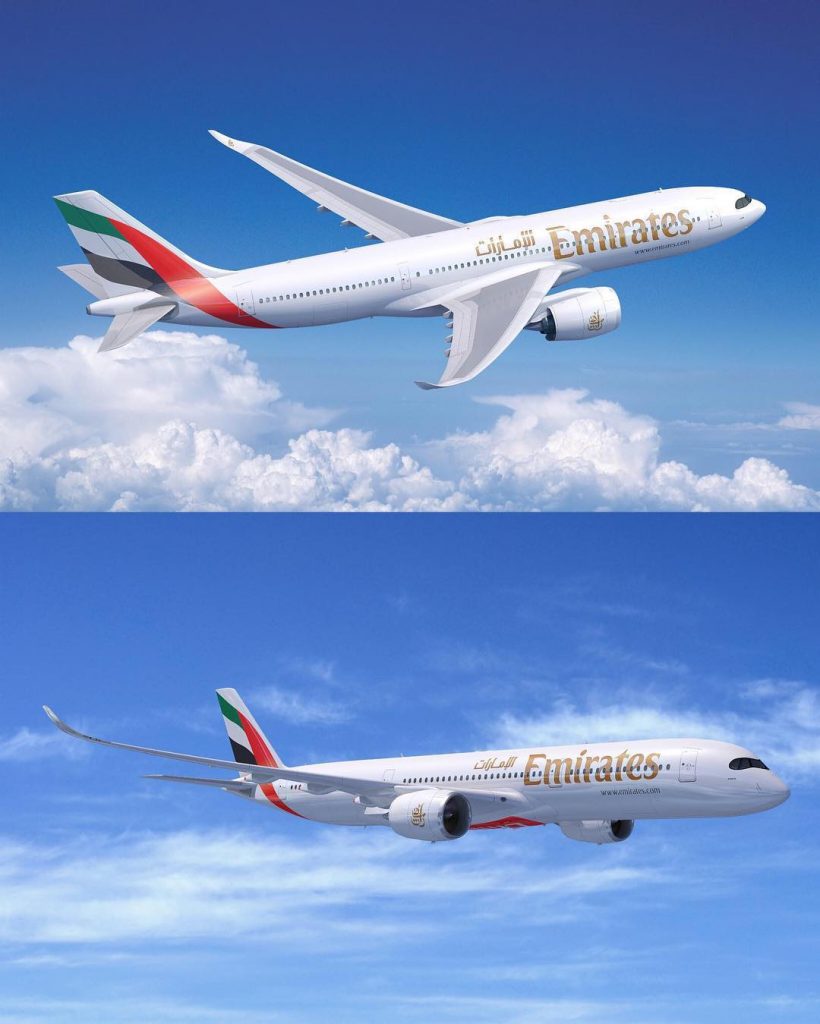
Airbus’ A380 has experienced a different reception in the industry, partly due to its development and the trajectory of the market. Delays to the A380F programme forced FedEx and UPS to cancel their orders in 2006 and 2007 respectively, effectively ending the life of the programme and reducing any chance of keeping it alive beyond the passenger model’s life cycle. It was announced on January 19, 2018 that Emirates and Airbus had reached a hard-fought agreement after dogged negotiations. The US$16 billion order was made up of 20 firm orders and 16 further options for the A380 after the negotiations broke down in November at the Dubai Airshow and resulted in Emirates ordering 40 B787s. The announcement on Feb 7 regarding Qantas’ cancellation of 8 orders brought the total orders to 313, 234 of which have been delivered and 162 of which are for Emirates alone. Rumours persisted that the A380’s champion was also planning to convert 20 of their orders to small A350 models or the brand-new A330-Neo. At that point Emirates’ orders made up just over 51% of the total, a commitment without which the programme would have been a spectacular failure for Airbus. And fail spectacularly it did as the airline announced a week after Qantas that it would be swapping out its A380 orders for the new, more efficient A330-900 and A350-900. The deal, worth US$21.4 billion, includes the delivery of only 14 of the remaining 53 A380 orders and the purchase of 40 A330neos and 30 A350s to be delivered in 2021 and 2024 respectively.
So what happened to the behemoth so loved by passengers and air crew alike? This was not a decision based on the quality and capabilities of the aircraft since Emirates operates over 100 of the A380s in their fleet and has been the backbone of their exceptional growth.
His Highness Sheikh Ahmed bin Saeed Al Maktoum, Chairman and Chief Executive, Emirates Airline and Group, said: “Emirates has been a staunch supporter of the A380 since its very inception. While we are disappointed to have to give up our order, and sad that the programme could not be sustained, we accept the reality of the situation. For us, the A380 is a wonderful aircraft loved by our customers and our crew. It is a differentiator for Emirates. We have shown how people can truly fly better on the A380, and Emirates has set the standards for that by introducing customer experiences that are unique to the A380 like our Shower Spas and Onboard Lounge. The A380 will remain a pillar of our fleet well into the 2030s, and as we have always done, Emirates will continue to invest in our onboard product and services so our customers can be assured that the Emirates A380 experience will always be top-notch.”
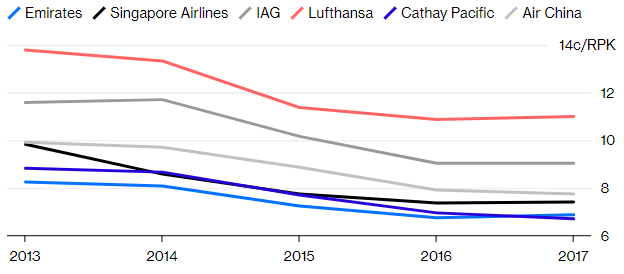
Operating a fleet compromised entirely of large, wide-body aircraft such as the A380 and B777 has pushed Emirates to the limit of profitable operations. High seat supply has exerted downward pressure on ticket prices on the airline which also has one of the lowest yields amongst its peers. Its route network includes mostly capitals and a few major tourist destinations but their partnership with flydubai is set to change this. Dubai will now be connected with both primary and secondary airports via short, medium and long-haul flights. This is not merely a codeshare agreement between carriers but an organisational synchronisation as flight scheduling is coordinated, frequent flyer programmes are aligned and the networks are integrated. Both airlines will continue to be managed independently. The partnership is also a reflection of the direction of the market as larger, single-aisle aircraft such as the B737 and A320 open up thin, medium-haul routes.
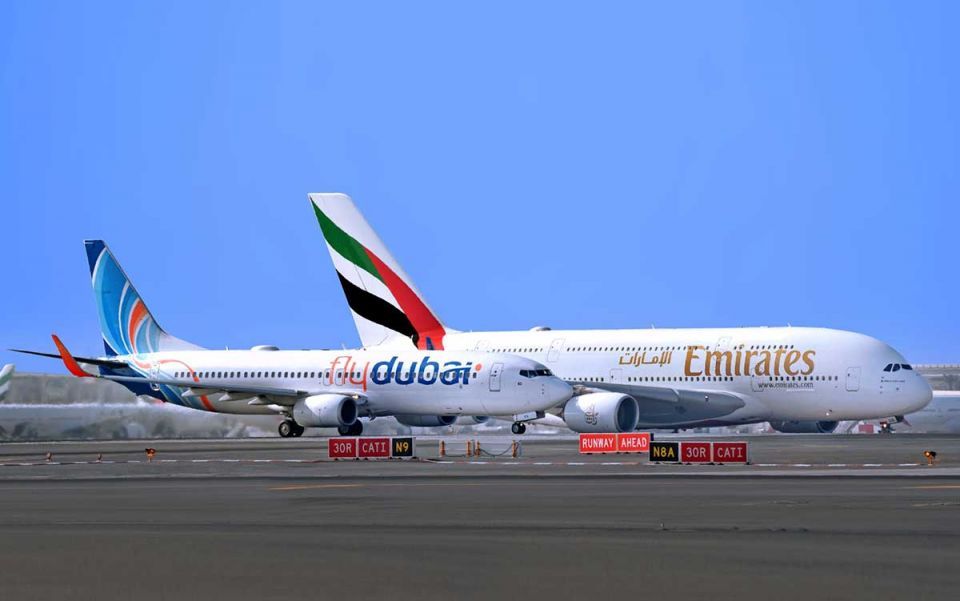
The gap between Emirates and flydubai’ fleet is filled by the B787 and A350 models on order, aircraft which allow airlines to bypass the hubs of their codeshare partners and fly directly from origin to destination. Qantas has already utilised the B787 on routes such as Perth-London and possible future routes such as Brisbane-Chicago or to major German and French cities. The large supply of seats provided by models such as the B747 and A380 have exerted downward pressure on ticket prices and the yield that drives profit and growth. Emirates’ large, wide-body fleet has presented a number of issues over the years, namely the downward pressure exerted on ticket prices by a large supply of seats and the profitability of the fleet on shorter routes, especially as more long, thin routes open up. Emirates has gone beyond a conventional codeshare partnership with flydubai to optimise its route network. The partnership involves an organisational synchronisation as flight scheduling is coordinated, frequent flyer programmes are aligned and the networks are integrate while both airlines are still managed independently. The future deliveries of A330s, A350s and B787s will fill the gap between flydubai and Emirates’ fleets as other airlines like Qantas employ the models on routes such as Perth-London and Brisbane-Chicago in the near future. The danger in this is that it attracts key business traffic away from global hubs like Dubai as passengers fly directly without the need to embark on a traditional kangaroo route. Qantas CEO Alan Joyce has previously challenged manufacturers Airbus and Boeing to modify the A350 and B787 in order to produce an aircraft capable of connecting Melbourne and Sydney with London and New York or other key European cities.